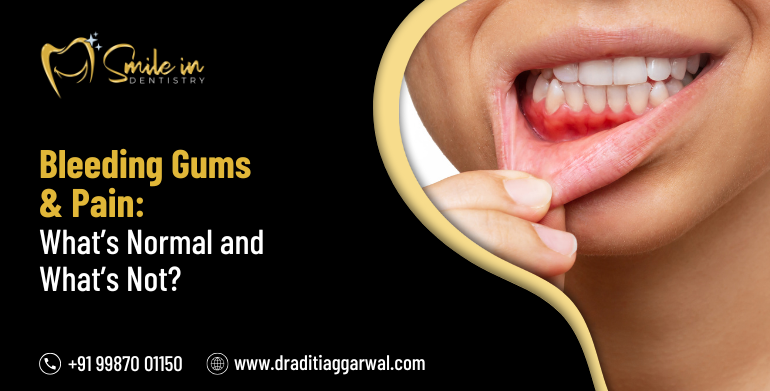
There’s a Moment Many People Ignore
There’s a particular moment many people experience but rarely talk about — that tiny shock when you spit after brushing and see a pinkish colour in the sink. It’s alarming, confusing, and honestly, frustrating. “Why are my gums bleeding? Did I brush too hard? Is something wrong?”
If you’ve had this thought even once, welcome to the club. As a clinic that meets countless people exploring gum treatment in Kandivali, we at Smile In Dentistry know how common this concern is, and how often it gets ignored because people hope it will “go away on its own.”
Spoiler: it usually doesn’t.
Let’s break down everything about bleeding gums and gum pain in a clear, simple way.
Understanding Gum Treatment: What Your Gums Are Trying To Tell You
Gums don’t bleed for no reason. Even mild bleeding is your mouth’s way of waving a tiny red flag. But not all bleeding is serious, and not all pain is dangerous.
Your gums communicate through:
1. Redness
2. Swelling
3. Bleeding
4. Sensitivity
5. Pain
6. Bad breath
Some of these are mild warnings, others need timely care.
Why Do Gums Bleed in the First Place?
Bleeding gums often have simple causes, but they can also be early signs of deeper issues.
1. Brushing Too Hard – Hard brushing injures gums.
2. Wrong Brushing Technique – Side-to-side scrubbing harms gum tissues.
3. Plaque Buildup – The biggest cause; leads to gingivitis.
4. Vitamin Deficiencies – Low Vitamin C or K.
5. Hormonal Changes – Common in teens & pregnancy.
6. Long Gaps Between Dental Visits – Plaque turns into tartar.
7. Using Hard-Bristled Brushes – Always use soft bristles.
When Is Bleeding Normal — And When Is It Not?
Normal Situations (Usually Temporary):
1. New toothbrush
2. Brushed harder than usual
3. Flossing after a long time
4. Recent dental cleaning
5. Mild inflammation
Not-Normal Situations (Needs Attention):
1. Bleeding almost every time you brush
2. Bleeding without brushing
3. Swelling or pain
4. Persistent bad breath
5. Gums pulling back
6. Loose teeth
7. Bleeding while eating
Why Gum Pain Happens
Gum pain can range from dull to sharp. Common reasons include:
1. Gingivitis
2. Periodontitis
3. Food injuries (chips, popcorn, etc.)
4. New dental products
5. Teeth grinding
6. Poorly fitted dentures or fillings
Red Flags: When Gum Pain Means Something Serious
1. Pain that worsens daily
2. One specific spot hurts intensely
3. Pus or salty taste
4. Loose teeth
5. Gums pulling away
6. Difficulty chewing
7. Bleeding + swelling + bad breath
How Professional Gum Treatment Helps
Most gum issues settle with timely, comfortable professional care.
1. Gentle Scaling – Removes plaque and tartar.
2. Deep Cleaning – For below-gum deposits.
3. Gum Soothing Therapy – Reduces inflammation.
4. Oral Hygiene Coaching – Simple daily steps.
5. Advanced Care – Infection control and gum regeneration.
Everyday Habits That Make Bleeding Gums Worse
1. Rough toothpick use
2. Skipping night brushing
3. Highly acidic foods
4. Sugary snacks
5. Brushing once a day
6. Smoking
7. Ignoring early symptoms
5 Easy Ways to Keep Bleeding & Pain Away
1. Use a soft-bristled brush.
2. Brush twice daily — night brushing is essential.
3. Floss or use interdental cleaners.
4. Rinse after sticky foods.
5. Stay hydrated.
Pro Tip: Oil pulling 2–3 times a week can help with freshness and gum comfort.
How Long Does Gum Bleeding Take to Stop?
If the cause is mild irritation, it stops in a few days. If it’s gum disease, it only improves after professional cleaning.
Is Gum Pain Reversible?
Yes. Early gum issues are fully treatable. Even moderate cases improve with proper gum care and lifestyle adjustments.
Do Home Remedies Help?
They help but cannot replace professional care.
1. Warm salt water rinses
2. Clove oil
3. Turmeric paste
4. Aloe vera gel
Note: These do NOT remove tartar.
Prevention Is Better Than Treatment
1. Brush gently
2. Rinse after meals
3. Use tongue cleaners
4. Avoid chewing very hard foods
5. Visit a dentist twice a year
FAQs
1. Why do my gums bleed even when I brush gently?
Plaque or tartar may be irritating your gums. A clinic offering gum treatment in Kandivali, like Smile In Dentistry, can identify whether you need scaling or deep cleaning.
2. Can stress cause gum pain or bleeding?
Yes. Stress weakens immunity, increases grinding, and disrupts oral routines — all of which affect gums.
3. Does mouthwash stop gum bleeding?
It helps reduce bacteria but cannot remove tartar. Alcohol-free mouthwash is best for sensitive gums.
A Warm Note From Smile In Dentistry
Healthy gums aren’t just about brushing — they’re about understanding what your mouth needs. If you're experiencing bleeding or discomfort, don’t wait. If you're looking for gentle, reliable gum treatment in Kandivali, Smile In Dentistry is here to help with clarity, comfort, and modern care.